
Imagine effortlessly gliding through a ripe tomato, the knife singing a whisper-thin song as it slices. That’s the magic of a truly sharp kitchen knife. But maintaining that razor-sharp edge can feel like a constant battle. As a nutritionist and meal prep coach, I understand the importance of having reliable, sharp knives not only for efficient cooking but also for safe and enjoyable meal preparation. In this guide, we’ll explore the top kitchen knives that stay razor sharp, empowering you to become a more confident and efficient chef in your own kitchen.
Why Invest in High-Quality, Sharp Knives?
Dull knives are more than just an inconvenience; they’re a safety hazard. A dull blade requires more force to cut, increasing the risk of slipping and injury. Sharp knives, on the other hand, offer precision and control, making cooking more enjoyable and less stressful. They also preserve the integrity of your ingredients, leading to better-tasting dishes. Think of a sharp knife slicing cleanly through an herb versus a dull knife crushing and bruising it – the difference in flavor is noticeable!
Understanding Knife Materials and Construction
The secret to a knife that stays sharp lies in its materials and construction. High-carbon stainless steel is a popular choice, offering a balance of sharpness, durability, and resistance to corrosion. Japanese knives, known for their exceptional sharpness, often utilize high-carbon steel with harder alloys. Look for knives with a full tang, meaning the blade extends through the entire handle, providing better balance and stability. Forged blades, crafted from a single piece of steel, are typically more durable than stamped blades.
Key Features to Consider
- Blade Material: High-carbon stainless steel, Japanese steel, ceramic.
- Construction: Forged vs. stamped, full tang.
- Blade Shape: Chef’s knife, paring knife, serrated knife, etc.
- Handle Material: Wood, plastic, composite.
- Sharpness and Edge Retention: Look for knives known for their ability to hold an edge.
- Ease of Sharpening: While some knives stay sharp longer, they all eventually require sharpening.
Top Picks for Everyday Chefs
- Wüsthof Classic Chef’s Knife: This German-made knife is a workhorse in the kitchen. Its high-carbon stainless steel blade holds an edge exceptionally well and is balanced for comfortable use.
- Shun Classic Chef’s Knife: Known for their elegant design and razor-sharp blades, Shun knives are made from high-performance Japanese steel. They are lightweight and incredibly sharp, making them a pleasure to use.
- Victorinox Fibrox Pro Chef’s Knife: A budget-friendly option that doesn’t compromise on performance. This Swiss-made knife is known for its durability and sharpness, making it a favorite among both home cooks and professional chefs.
- Global G-2 Chef’s Knife: With its sleek, all-metal design, the Global G-2 is a modern classic. The high-carbon stainless steel blade is incredibly sharp and easy to maintain.
- MAC MTH-80 Professional Chef’s Knife: This Japanese knife offers exceptional value for its performance. It’s known for its thin, sharp blade that excels at precise slicing and dicing.
Maintaining Your Knives: Tips for Long-Lasting Sharpness
- Honing: Regularly honing your knives with a honing steel realigns the blade’s edge, maintaining its sharpness between sharpenings.
- Sharpening: While honing maintains the edge, sharpening removes small amounts of metal to create a new, sharp edge. Use a whetstone or a professional sharpening service.
- Proper Storage: Store your knives in a knife block, on a magnetic strip, or in individual sheaths to protect the blades from damage.
- Cleaning: Hand-wash your knives with warm, soapy water and dry them immediately to prevent rust and corrosion. Avoid putting them in the dishwasher.
- Cutting Surface: Use a wooden or plastic cutting board to protect the knife’s edge. Avoid cutting on hard surfaces like glass or ceramic.
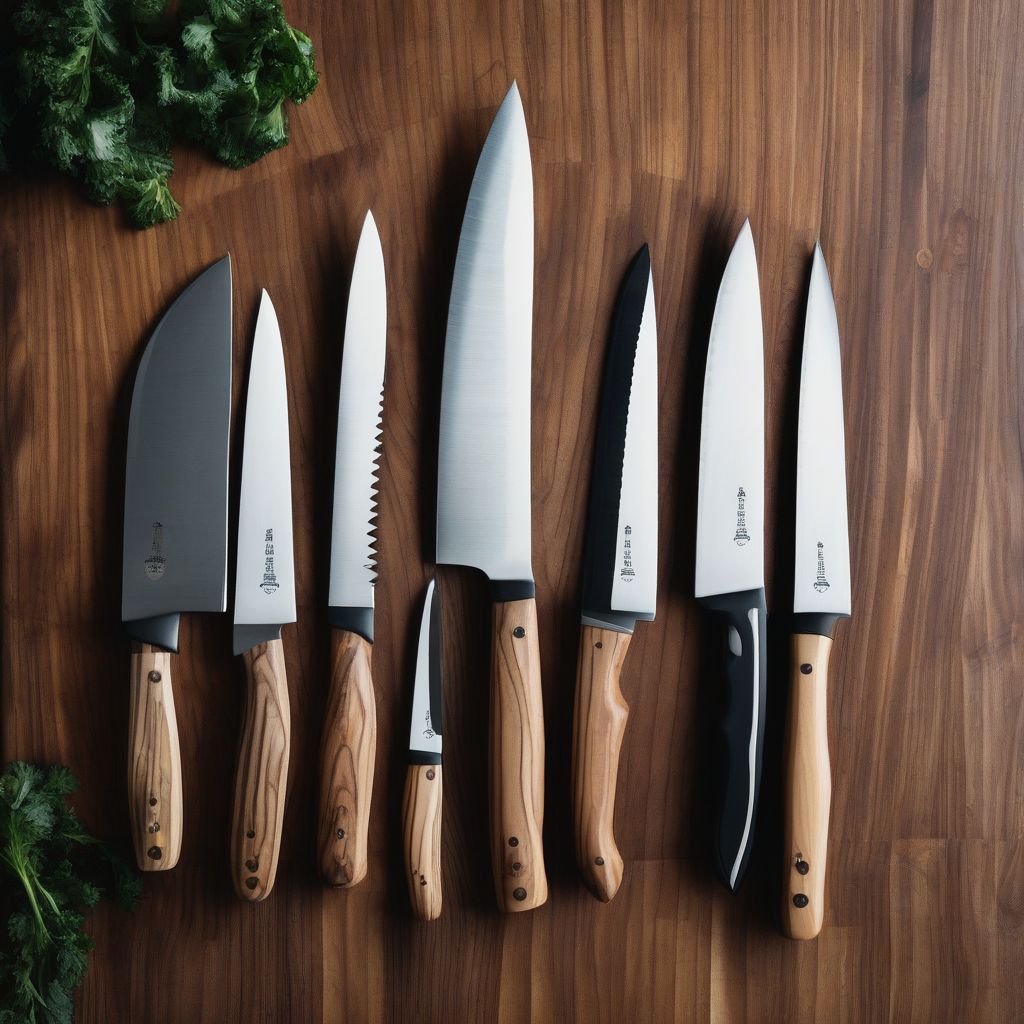 Kitchen Knives That Stay Razor Sharp
Beyond the Chef’s Knife: Essential Knives for Every Kitchen
While a chef’s knife is the workhorse of the kitchen, other knives play crucial roles. A paring knife is essential for smaller tasks like peeling and trimming, while a serrated knife is ideal for bread and tomatoes. A Santoku knife, with its Granton edge, is a versatile option for slicing, dicing, and mincing. Investing in a quality set of knives can significantly enhance your cooking experience. As a certified nutritionist, I can attest to the fact that having the right tools makes healthy cooking much more efficient and enjoyable.
Choosing the Right Knife for You
The best knife for you depends on your individual needs and preferences. Consider your cooking style, budget, and comfort level with different knife types. “A good knife is an extension of your hand,” says renowned chef Jacques Pépin. Find a knife that feels comfortable in your grip and inspires you to create delicious meals.
Conclusion
Investing in kitchen knives that stay razor sharp is an investment in your culinary journey. From the efficiency and safety they provide to the pure joy of effortless slicing and dicing, sharp knives transform the cooking experience. By understanding the key features to look for, maintaining your knives properly, and choosing the right knives for your needs, you can elevate your cooking skills and enjoy the satisfaction of creating delicious, healthy meals. Do you have a favorite knife or sharpening technique? Share your thoughts and experiences in the comments below!
No products found.
