
Do you wake up with a stuffy nose, itchy eyes, and a scratchy throat? Are allergies stealing the joy from your everyday life? As a nutritionist and meal prep coach, I understand the importance of a healthy lifestyle, and that includes the air we breathe. Clean air is essential for overall well-being, and if you’re battling allergies, a high-quality air purifier can be a game-changer. This article will guide you through choosing the best air purifiers for allergies, so you can breathe easier, sleep better, and enjoy life to the fullest.
Understanding Allergies and the Role of Air Purifiers
Allergies are the body’s overreaction to normally harmless substances, such as pollen, dust mites, pet dander, and mold spores. These allergens, often airborne, trigger a cascade of symptoms that can range from mildly annoying to debilitating. Air purifiers work by removing these microscopic particles from the air, creating a cleaner and healthier environment for allergy sufferers. They utilize various filtration technologies, including HEPA filters, activated carbon filters, and UV-C lights, to trap and neutralize allergens.
Key Features to Look for in an Air Purifier for Allergies
Choosing the right air purifier can feel overwhelming with so many options available. Here’s what to consider:
HEPA Filters: Your First Line of Defense
High-Efficiency Particulate Air (HEPA) filters are the gold standard for allergy relief. They capture 99.97% of airborne particles as small as 0.3 microns, effectively removing pollen, dust mites, pet dander, and other common allergens. Look for “True HEPA” certification to ensure the filter meets these stringent standards.
Activated Carbon Filters: Odor and Gas Removal
Activated carbon filters are essential for absorbing odors, gases, and volatile organic compounds (VOCs) that can exacerbate allergy symptoms. These filters are particularly helpful for those sensitive to smoke, pet odors, or chemical fumes.
Room Size and Air Changes Per Hour (ACH)
Consider the size of the room where you’ll be using the air purifier. The ACH rating tells you how many times the purifier can filter the entire room’s air in an hour. A higher ACH means more frequent air cleaning, which is beneficial for allergy sufferers. Aim for an ACH of 4-6 for optimal performance.
Noise Levels and Energy Efficiency
Nobody wants a noisy air purifier disrupting their sleep or daily activities. Look for models with quiet operation, especially if you plan to use it in a bedroom. Energy efficiency is also important to consider, both for the environment and your wallet. Look for models with Energy Star certification.
Top Air Purifier Technologies for Allergies
Beyond HEPA and activated carbon filters, other technologies can enhance air purification for allergy relief:
UV-C Light Technology: Killing Germs and Viruses
UV-C light technology destroys bacteria, viruses, and mold spores by disrupting their DNA. While not directly targeting allergens, it can create a healthier overall environment by reducing the presence of these microorganisms.
Ionic Air Purifiers: A Controversial Option
Ionic air purifiers release negatively charged ions that attach to airborne particles, causing them to stick to surfaces. While effective at removing some allergens, they can also produce ozone, a lung irritant. Choose an ionic purifier that is certified ozone-free.
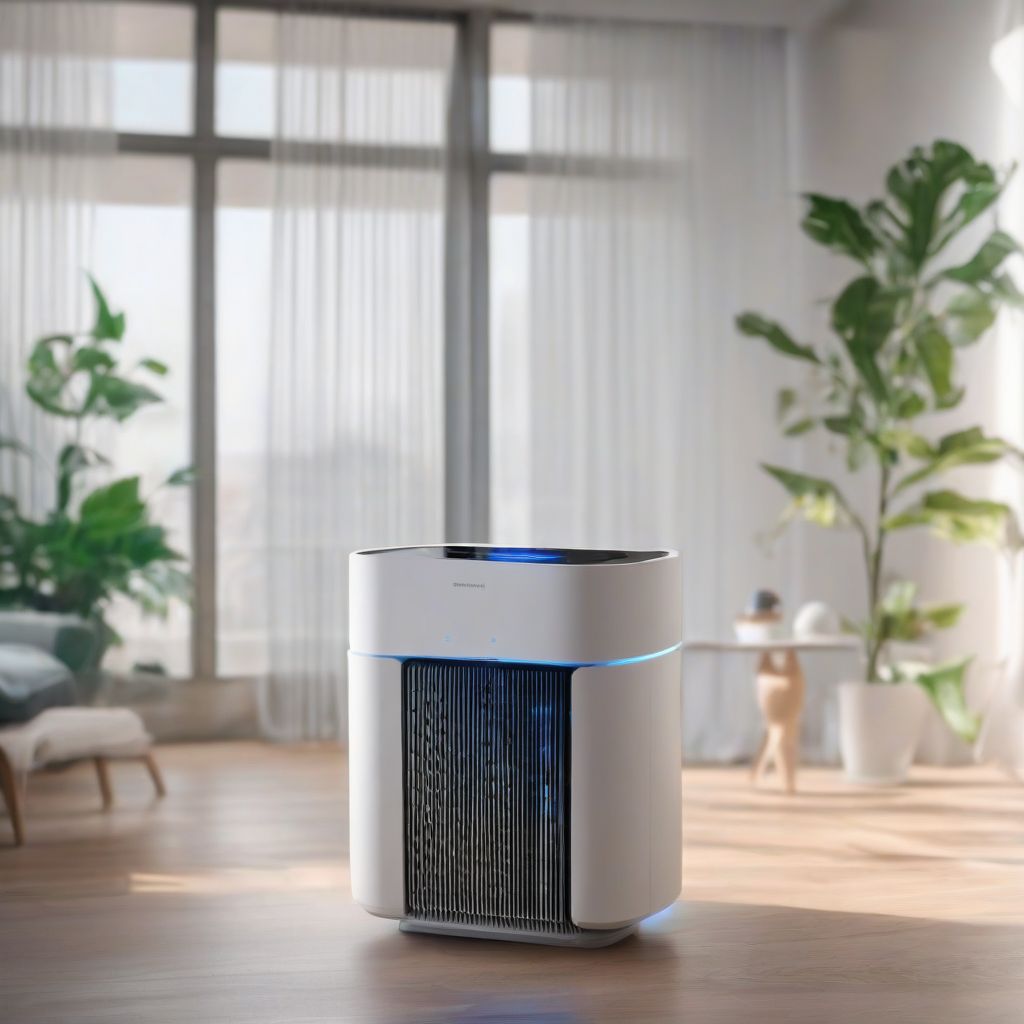 Best Air Purifiers for Allergies
No products found.
Maintaining Your Air Purifier for Optimal Performance
Regular maintenance is essential to keep your air purifier running efficiently. Replace filters according to the manufacturer’s recommendations, typically every 6-12 months. Clean the pre-filter regularly to prevent dust buildup and improve airflow.
Beyond Air Purifiers: A Holistic Approach to Allergy Relief
While air purifiers are a valuable tool for managing allergies, consider these additional strategies for a comprehensive approach:
- Regular Cleaning: Dust and vacuum frequently to remove allergens from surfaces.
- Allergy-Proofing Your Home: Use allergen-proof mattress and pillow covers, wash bedding in hot water weekly, and minimize clutter.
- Managing Humidity Levels: Keep indoor humidity below 50% to discourage dust mite growth and mold formation.
- Over-the-Counter Medications: Antihistamines, decongestants, and nasal corticosteroids can provide symptom relief.
- Immunotherapy: Allergy shots can help desensitize your immune system to specific allergens over time.
Expert Insights on Air Purification and Allergies
According to Dr. James Sublett, a board-certified allergist, “Air purifiers with HEPA filters can significantly reduce indoor allergen levels, providing substantial relief for allergy sufferers. Combining air purification with other allergy management strategies can create a healthier and more comfortable living environment.” (Source: American College of Allergy, Asthma & Immunology)
Conclusion
Breathing clean air is fundamental to good health, especially for those struggling with allergies. Investing in a high-quality air purifier with a HEPA filter, activated carbon filter, and other advanced features can make a world of difference. Remember to choose a purifier that’s appropriate for your room size, pay attention to noise levels and energy efficiency, and maintain your purifier regularly for optimal performance. By incorporating air purification into a holistic allergy management plan, you can reclaim your comfort and breathe easier every day. What steps are you taking to manage your allergies? Share your experiences and tips in the comments below!
