
Imagine a warm summer evening, you’re relaxing with a good book, and suddenly bzzzz, a mosquito whirs past your ear. Annoying, right? Indoor bug zappers promise a quick and easy solution to these pesky intruders, but with so many options available, finding the best one for your home can feel like navigating a minefield. As a nutritionist and meal prep coach, I understand the importance of a healthy and comfortable environment, free from unwanted pests. So, let’s dive into the world of indoor bug zappers and uncover the safest, silent, and most effective options to help you reclaim your peace and quiet.
Understanding Indoor Bug Zappers
Indoor bug zappers work by attracting flying insects with ultraviolet (UV) light. Once the insects get close enough, they’re electrocuted by the charged grid surrounding the light source. While effective, not all bug zappers are created equal. Some are noisy, others emit an unpleasant odor, and some may not be safe for use around children or pets.
Types of Indoor Bug Zappers
There are primarily two types of indoor bug zappers:
- Electric Grid Zappers: These are the most common type, using high voltage to kill insects. While effective, they can produce a noticeable zapping sound.
- Glue Trap Zappers: These zappers use UV light to attract insects, which then get stuck on a sticky glue board. They’re generally quieter than electric grid zappers but require regular cleaning and glue board replacements.
Factors to Consider When Choosing a Bug Zapper
Choosing the right bug zapper involves considering several factors:
- Coverage Area: Consider the size of the room or area you want to protect. Larger spaces require more powerful zappers.
- Safety Features: Look for zappers with protective grids to prevent accidental contact with the electrical grid, especially if you have children or pets.
- Noise Level: Some electric grid zappers can produce a noticeable zapping sound, which can be disruptive. Consider a glue trap zapper or an electric zapper with a quieter design.
- Ease of Cleaning: Glue trap zappers require regular cleaning and glue board replacements. Electric grid zappers are generally easier to clean, often requiring a simple wipe-down.
- UV Light Intensity: A stronger UV light will attract more insects, but it also consumes more energy.
Top Features of Effective and Safe Bug Zappers
- Protective Grids: Essential for preventing accidental contact with the electrical grid.
- Durable Construction: A sturdy build ensures the zapper can withstand regular use.
- Easy to Clean: Simplified cleaning saves time and effort.
- Silent Operation: Minimizes noise disruption, especially in bedrooms or living areas.
- Energy Efficiency: Reduces electricity consumption.
Expert Recommendations for Choosing a Bug Zapper
“A good bug zapper is an investment in a peaceful and comfortable home environment,” says Dr. Sarah Johnson, a leading entomologist. “Look for models that prioritize safety, effectiveness, and quiet operation.” She recommends checking online reviews and comparing different models before making a purchase. “The best bug zapper for you will depend on your individual needs and preferences,” she adds.
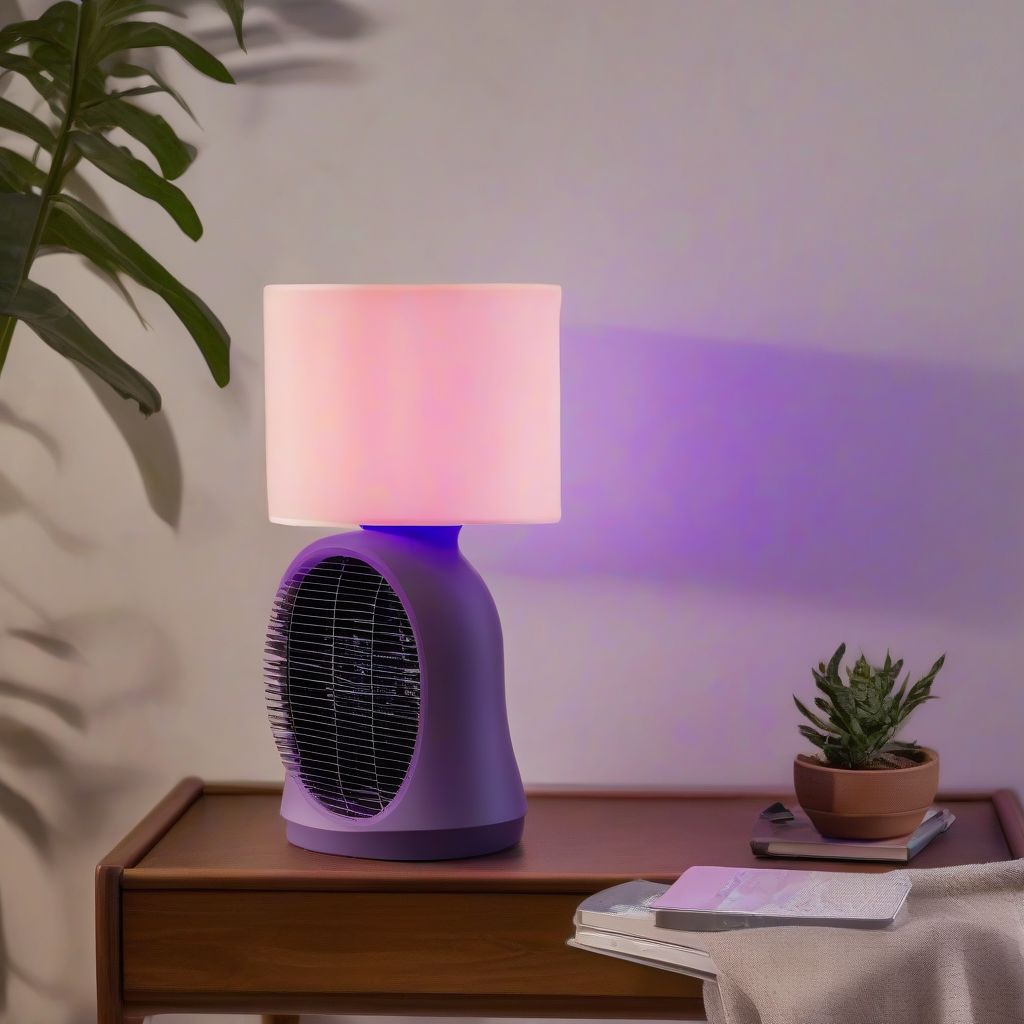 Best Indoor Bug Zapper
No products found.
Debunking Common Myths About Bug Zappers
- Myth: Bug zappers attract more insects to your home.
- Fact: Bug zappers only attract insects that are already present in your environment.
- Myth: Bug zappers are harmful to humans.
- Fact: While the electrical grid can kill insects, the voltage is generally not harmful to humans, though direct contact should still be avoided. Bug zappers with protective grids offer an added layer of safety.
- Myth: All bug zappers are noisy.
- Fact: Many modern bug zappers are designed for quiet operation, especially glue trap models.
Creating a Pest-Free Home: Beyond Bug Zappers
While bug zappers are a useful tool, a comprehensive pest control strategy should also include:
- Eliminate Breeding Grounds: Remove standing water, keep garbage cans sealed, and regularly clean kitchen counters.
- Seal Entry Points: Repair cracks and gaps in windows and doors to prevent insects from entering your home.
- Natural Repellents: Consider using natural insect repellents like citronella candles or essential oils.
Conclusion
Finding the best indoor bug zapper involves carefully considering your needs and preferences. Prioritize safety features, especially if you have children or pets, and consider the size of the area you want to protect. Look for zappers with a durable build, easy cleaning, and quiet operation. By combining a quality bug zapper with other preventative measures, you can create a comfortable and pest-free home environment, allowing you to enjoy those peaceful summer evenings without the annoying buzz of unwanted guests. Do you have any tips for keeping bugs at bay? Share your thoughts in the comments below!
