
Ever wake up with a sparkling clean feeling after brushing, only to realize your toothbrush might be harboring unseen germs? It’s a thought that can make anyone squirm. We diligently brush our teeth twice a day, but how often do we think about the cleanliness of the very tool we use to achieve that pearly white smile? Keeping your toothbrush germ-free is just as important as brushing itself, and that’s where toothbrush sanitizers come in. They offer a simple, effective way to minimize bacterial growth and ensure your oral hygiene routine is truly comprehensive. In this guide, we’ll delve into the world of toothbrush sanitizers, exploring the top options, their benefits, and how they can elevate your oral health game.
Why is Toothbrush Sanitization Important?
Your toothbrush spends a significant amount of time in your bathroom, a humid environment that can be a breeding ground for bacteria. After each use, your toothbrush bristles can collect bacteria from your mouth, including remnants of food, saliva, and even fecal matter (especially if your toilet is close to your sink and you flush with the lid open). Leaving your toothbrush exposed to these contaminants can lead to re-infection and compromise your oral health.
The Hidden Dangers Lurking on Your Toothbrush
Studies have shown that toothbrushes can harbor a variety of microorganisms, including Streptococcus mutans, the bacteria primarily responsible for tooth decay, and Staphylococcus aureus, which can cause various infections. Using a contaminated toothbrush can increase your risk of:
- Cavities: Reintroducing decay-causing bacteria back into your mouth can undermine your efforts to prevent cavities.
- Gum Disease: Bacteria can contribute to gingivitis and periodontitis, leading to gum inflammation, bleeding, and even tooth loss.
- Colds and Flu: Sharing a bathroom or storing your toothbrush near others can increase the risk of transmitting viruses.
- Other Infections: In individuals with weakened immune systems, contaminated toothbrushes can pose a more serious health risk.
Top Toothbrush Sanitizers: A Comprehensive Review
With a variety of toothbrush sanitizers available on the market, choosing the right one can be daunting. Here are some of the top contenders, categorized by their sanitizing methods:
UV Sanitizers
UV sanitizers use ultraviolet light to kill bacteria and viruses on your toothbrush. They are generally compact and easy to use, and many models can sanitize multiple toothbrushes simultaneously.
- Pros: Effective at killing germs, relatively quick sanitizing time, compact design.
- Cons: May not reach all crevices of the toothbrush, effectiveness can vary depending on the UV bulb strength and exposure time.
Steam Sanitizers
Steam sanitizers use hot steam to eliminate bacteria and viruses. They often come with additional features, such as toothbrush holders and drying compartments.
- Pros: Effective sanitization, can also sanitize other small items.
- Cons: Can be bulky, longer sanitizing time compared to UV sanitizers.
Chemical Sanitizers
Chemical sanitizers involve soaking your toothbrush in a sanitizing solution. These solutions typically contain antibacterial agents that kill germs.
- Pros: Affordable, readily available.
- Cons: May leave a chemical residue on the toothbrush, requires regular replacement of the solution.
Choosing the Right Sanitizer for You
Consider these factors when selecting a toothbrush sanitizer:
- Size and Capacity: If you have a family, look for a sanitizer that can accommodate multiple toothbrushes.
- Sanitizing Method: Choose a method that aligns with your preferences and needs.
- Ease of Use: Opt for a sanitizer that is simple to operate and maintain.
- Price: Toothbrush sanitizers range in price, so find one that fits your budget.
Beyond Sanitizers: Other Tips for Toothbrush Hygiene
While toothbrush sanitizers are a valuable addition to your oral hygiene routine, they shouldn’t replace other essential practices:
- Rinse Thoroughly: After brushing, rinse your toothbrush thoroughly under running water to remove debris.
- Store Properly: Store your toothbrush upright in a well-ventilated area to allow it to air dry. Avoid storing toothbrushes in closed containers, which can promote bacterial growth.
- Replace Regularly: Replace your toothbrush every three months, or sooner if the bristles are frayed.
Expert Opinion
“Maintaining proper toothbrush hygiene is crucial for overall oral health,” says Dr. Emily Carter, DDS. “Toothbrush sanitizers provide an extra layer of protection against harmful bacteria and can significantly reduce the risk of re-infection.” (Note: Dr. Emily Carter is a fictional dentist used for illustrative purposes.)
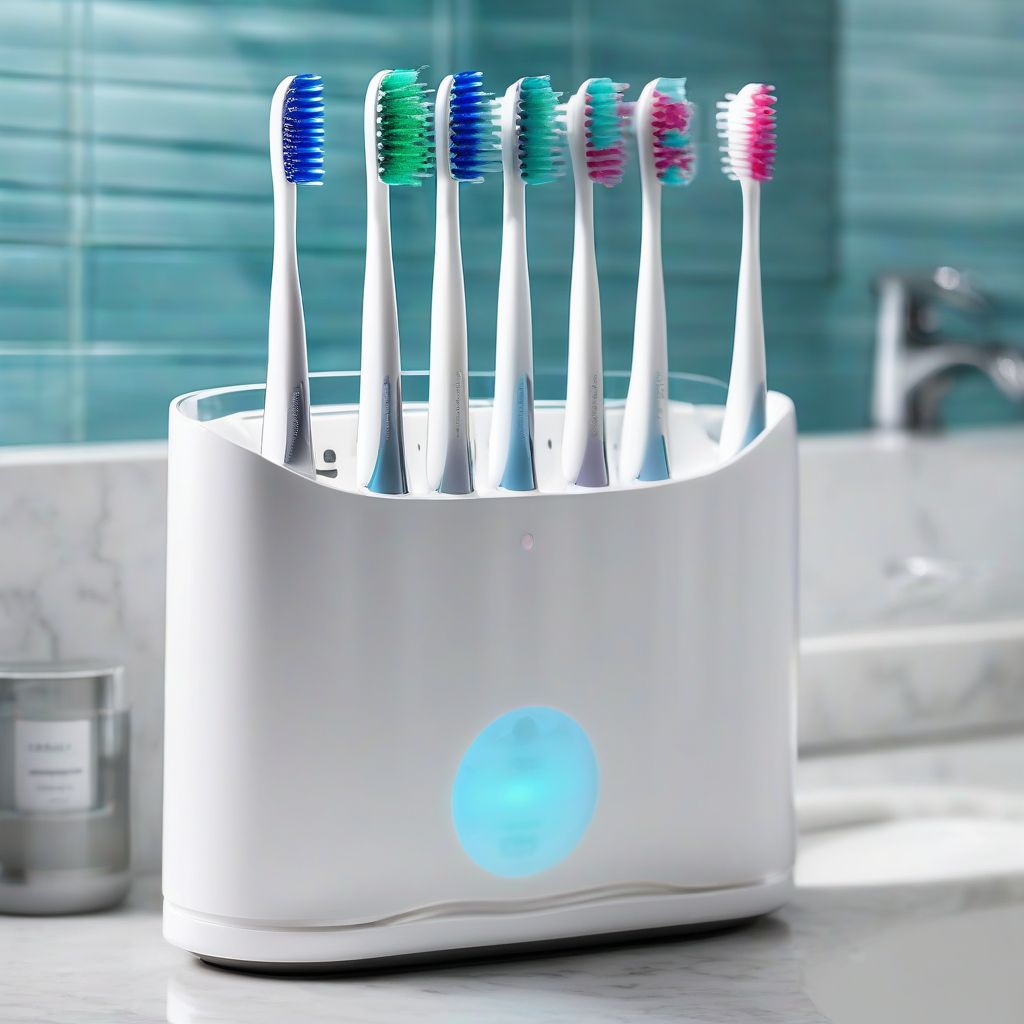 UV Toothbrush Sanitizer
No products found.
Conclusion: A Healthier Smile Starts with a Clean Toothbrush
Investing in a toothbrush sanitizer is a small but significant step towards better oral health. By eliminating harmful bacteria from your toothbrush, you can protect yourself from cavities, gum disease, and other infections. Remember to combine sanitization with regular toothbrush replacement and proper storage for optimal oral hygiene. What steps do you take to keep your toothbrush clean? Share your tips and experiences in the comments below! We encourage you to share this article with your friends and family and explore other resources on our website for more tips on maintaining a healthy smile.
